
Hemorrhage Control Kit
Professional Hemorrhage Control Kit Manufacturer in China
RUSUN TACMED’s product line encompasses emergency hemostatic solutions, supported by a 4,000-square-meter clean production facility and a 1,000-square-meter specialized testing laboratory. The company holds ISO 13485 Medical Device Quality Management System certification and currently possesses the capacity to produce 10 million pieces of kaolin-based hemostatic gauze annually.
RUSUN's Hemorrhage Control Kit For Sale
We remain steadfast in our commitment to delivering highly reliable and efficient comprehensive medical solutions for tactical rescue, pre-hospital emergency care, and public safety worldwide. We safeguard lives through technology and fulfill our mission with professionalism.


What is a hemorrhage control kit?
A hemorrhage control kit is a kind of medical collection; it includes hemostatic gauze, a hemostatic agent, and a tourniquet kit. For bulk tourniquet line items, carton quantities, and OEM packaging, compare our CAT tourniquet bulk supplier page before finalizing the kit list. Their primary function is to stop bleeding, but the specific application scenario depends on the severity of the bleeding. It differs from a standard first aid kit; the main target for a trauma bleeding kit focuses on preventing human death.
For wound care, equipping emergency hemostatic kits compliant with Tactical Combat Casualty Care (TCCC) guidelines is critical. This principle equally applies to law enforcement, industrial safety, and tactical emergency medical services.
When facing seconds that matter in life-or-death situations, the most important part of any IFAK (individual first aid kit) or trauma kit is a professional hemorrhage control kit, which can also be called a bleeding control kit. RUSUN TACMED manufactures life-saving tools that can meet the strict standard of tactical medicine and first responder protocols and has gotten the ISO 13485 certificate.

Core Components of a Bleeding Control System
To address different levels of bleeding from injuries, we have launched three emergency hemostatic products. Different types of bleeding control kits can maximize survivability.
Hemostatic Gauze for Wound Packing
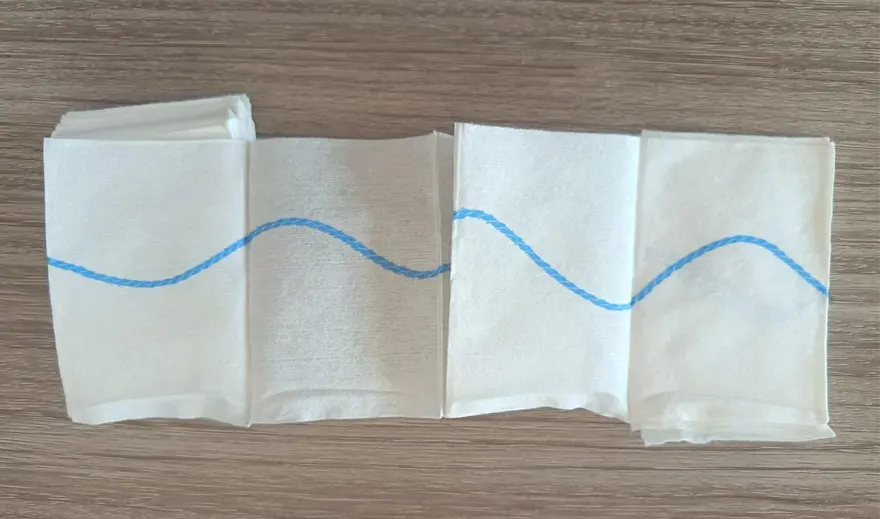
Hemostatic gauze is the main tool for packing wounds when direct pressure doesn't work. Our gauze is treated with advanced chemicals like chitosan or kaolin, which speed up the body's natural clotting process. The Z-folded gauze design makes it easy to quickly put into deep wounds where a tourniquet kit can't be used, like in the groin or axilla (junctional bleeding). For buyers comparing named kaolin gauze pouches, our Combat Gauze vs QuikClot guide explains the packaging and procurement differences behind the price spread.

Hemostatic Agent for Complex Wounds
For wounds with irregular or deep cavities, a hemostatic agent (which comes in granules or special applicators) is an immediate solution for clotting. These drugs are meant to stop life-threatening bleeding in seconds by making a strong clot, even in people with thinned blood. A must-have for any tactical medical kit, so you're ready for non-compressible bleeding.
Tourniquet Kit for Limb Compression
The tourniquet kit is the most famous part of tactical medicine. RUSUN TACMED uses strong windlass tourniquets that can be put on with just one hand. A properly placed tourniquet is the quickest way to completely stop blood flow in an extremity hemorrhage, which gives the patient time to get to surgery.

Selection Guide: Choosing the Right Hemorrhage Control Tool
It's very important to choose the right tools and to know how to select the appropriate one based on the injury's location, how bad the bleed is, and the environment. We will feel a little complicated; just follow our guide to figure out when to use which one of your bleeding control kits.
Hemorrhage Control Decision Matrix
| Injury Scenario | Severity Level | Recommended Tool | Why Use It? |
|---|---|---|---|
| Limb Injuries (Arms/Legs) | Critical (Arterial Spurting) | Tourniquet Kit | The fastest way to achieve total occlusion of blood flow in extremities. |
| Junctional Wounds (Groin, Armpit, Neck) | High (Deep Lacerations) | Hemostatic Gauze | Ideal for wound packing in areas where a tourniquet cannot be applied. |
| Irregular or Shallow Wounds | Moderate to High | Hemostatic Agent | Perfect for noncompressible areas or irregular wound tracks where gauze might not reach. |
| Compressible Open Wounds (Limbs, Torso, Head) | Moderate to Critical | Pressure Bandage | Sustained direct pressure over a non-adherent pad; the built-in pressure bar concentrates force onto the wound rather than around the limb. |
| Mass Casualty Events | Critical | Tourniquet + Gauze | Rapid application of a tourniquet first, followed by packing with Z-folded gauze for long-term stability. |
Deep Dive into Application Intention
When to reach for a tourniquet kit?
In cases of life-threatening bleeding from an arm or leg, the windlass tourniquet is your first line of defense. It is designed for one-handed application and is a staple in every TCCC-compliant IFAK. If you see "spurting" blood, skip the gauze and go straight to the tourniquet "high and tight."
When is hemostatic gauze the better choice?
Hemostatic gauze is indispensable for "junctional" areas—the gaps where a tourniquet won't fit (like the shoulder or hip). By packing the wound with gauze treated with kaolin or chitosan, you create a physical barrier and a chemical reaction that stops bleeding much faster than standard cotton dressings.
The Role of Hemostatic Agents in Modern Trauma Care
While gauze is used for packing, a hemostatic agent (granules or applicators) can be poured directly into a wound. This is particularly effective for first responders dealing with jagged wounds or when traditional pressure isn't sufficient to stem the flow of massive hemorrhage.


FAQs About Hemorrhage Control Kit
Leave Your Information Now.


